Biodiversity
We are living through the Earth's sixth mass extinction event. Unlike the previous five — caused by asteroid strikes, volcanic eruptions, and shifts in ocean chemistry — this one has a known, singular cause: us.
The Intergovernmental Science-Policy Platform on Biodiversity and Ecosystem Services (IPBES) published its landmark Global Assessment in 2019, drawing on the work of 145 expert authors and over 15,000 scientific sources. Its conclusion was stark: approximately one million plant and animal species are currently threatened with extinction — more than at any previous point in human history.
Earth has experienced five previous mass extinctions over its 4.5 billion year history. The most recent — the end-Cretaceous event 66 million years ago — wiped out the non-avian dinosaurs when an asteroid struck what is now the Yucatán Peninsula in Mexico. The recovery of biodiversity after each event took tens of millions of years.
The current extinction event is different in two critical ways. First, it is occurring at a pace that rivals or exceeds previous mass extinctions when measured on geological timescales. Second, its cause is entirely the product of one species. Human activity over the past two centuries has compressed into decades a level of ecological disruption that would otherwise take geological epochs.
The IPBES assessment identified five direct drivers of biodiversity loss, ranked in order of their current global impact:
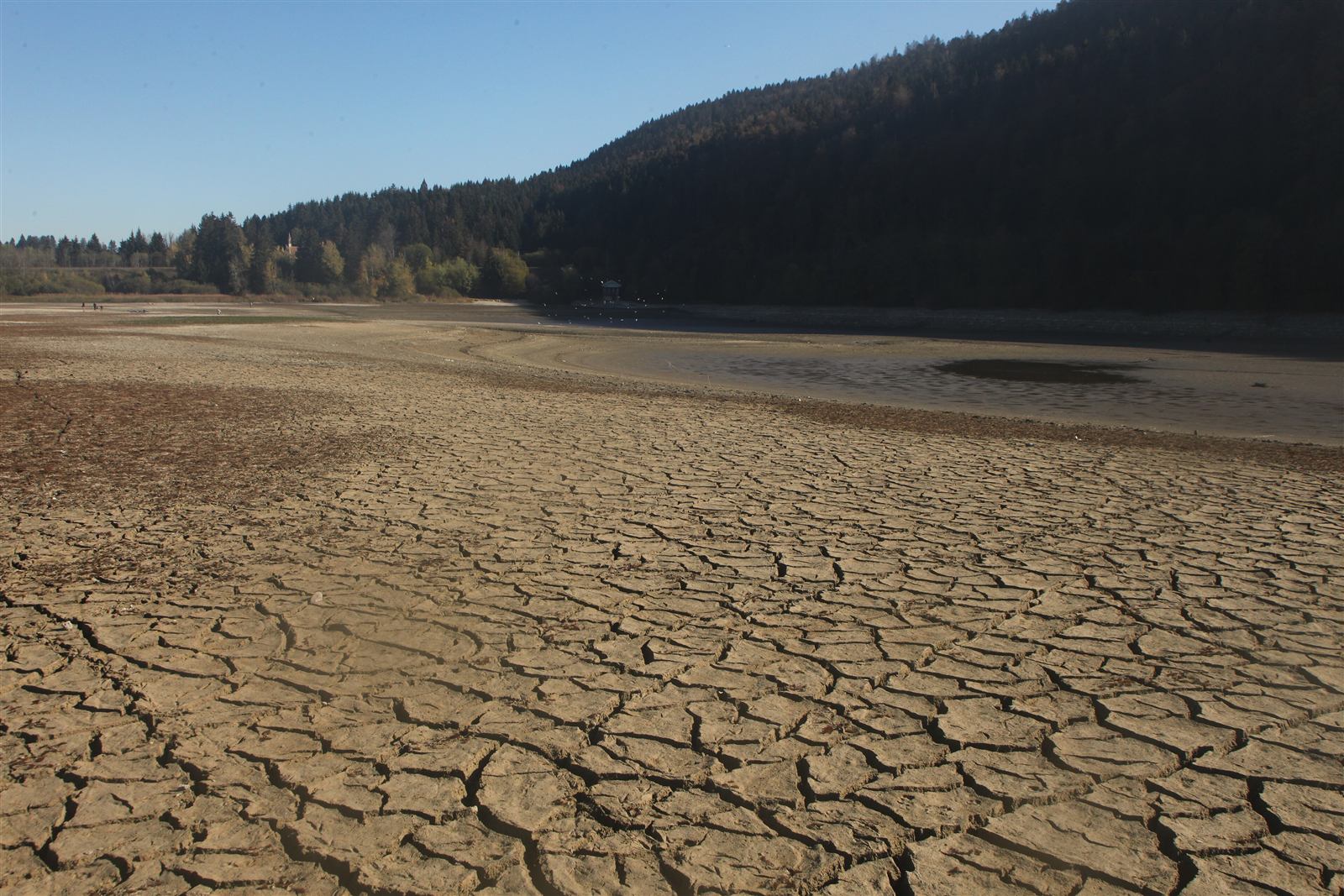
Land and sea-use change. Approximately 75% of Earth's land surface has been significantly altered by human activity. Agriculture alone occupies over 50% of all habitable land. 85% of the world's wetlands have been lost since 1700. Tropical rainforests — which contain over half of all terrestrial species — are cleared at a rate of approximately 4.7 million hectares per year.
Direct exploitation of organisms. Overfishing has pushed one third of the world's fish stocks beyond sustainable limits. Poaching and the illegal wildlife trade — the fourth-largest criminal enterprise globally — has decimated populations of elephants, rhinos, tigers, and hundreds of lesser-known species.
Climate change. Already responsible for range shifts, phenological mismatches (when species' lifecycles fall out of sync with their environment), and coral bleaching events. Projected to become the leading driver of extinction by 2050 if warming continues on current trajectories.
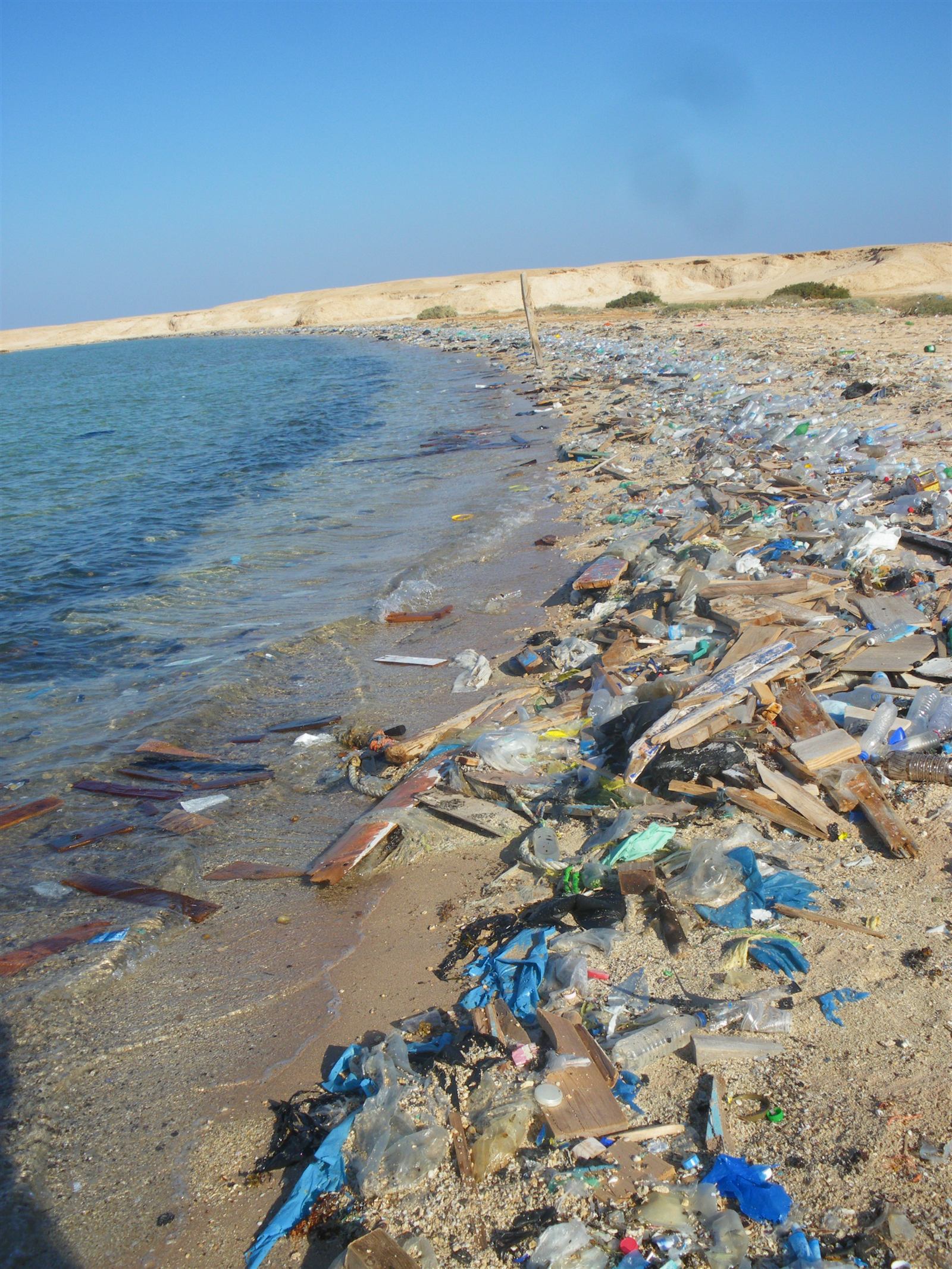
Pollution. Pesticide use has driven a 75% decline in flying insect biomass in some European regions since 1970. Agricultural runoff creates oceanic dead zones. Light and noise pollution disrupt migration, feeding, and mating behaviour across hundreds of species.
Invasive alien species. Species introduced — deliberately or accidentally — through global trade and travel now threaten 25% of plant and animal species. Island ecosystems are particularly vulnerable: 80% of extinctions have occurred on islands.
Biodiversity is not simply an aesthetic or ethical concern. It is the functional foundation of ecosystem services that underpin human civilisation. Healthy ecosystems provide clean water, stable soils, flood regulation, climate moderation, crop pollination, and disease control — services estimated to be worth between $125 and $140 trillion per year, roughly 1.5 times the entire global GDP.
Three quarters of the world's food crops depend on animal pollination — primarily by bees and other insects. As insect populations decline, the productivity and stability of global food systems is directly at risk. Half of all pharmaceutical drugs in current use are derived from compounds first found in wild organisms. The genetic diversity held in wild crop relatives is essential for breeding climate-resilient food crops as temperatures and rainfall patterns shift.
Fewer than 100 individuals remain in the wild. Habitat loss and poaching have pushed this big cat to the edge of extinction in the Russian Far East.
Fewer than 10 individuals remain — making it the world's most endangered marine mammal. Accidental entanglement in fishing nets is the primary cause.
Critically endangered due to deforestation for palm oil and paper plantations. Fewer than 14,000 remain in fragmented forest patches.
Only 76 individuals survive in a single protected area in Indonesia. The species is functionally extinct outside this one population.
Beyond flagship megafauna, the losses among less visible species are equally alarming. 40% of amphibian species are threatened — they are extraordinarily sensitive to environmental change and serve as early warning indicators of ecosystem health. Insect populations have declined by 75% or more in intensively farmed European landscapes over the past 27 years.
At the Kunming-Montreal COP15 biodiversity summit in 2022, 196 nations agreed to the "30x30" target: protecting at least 30% of the world's land and ocean by 2030. This is a significant political commitment — but its implementation requires binding national action plans, reformed agricultural subsidies, and funding that is currently falling approximately $700 billion short of what is needed annually.
The decisions made in this decade will determine which species survive the century. Many extinctions can still be prevented — but the window is narrowing. Protecting biodiversity is not a luxury or a sentiment. It is a prerequisite for the stable, functioning planet on which human life depends.